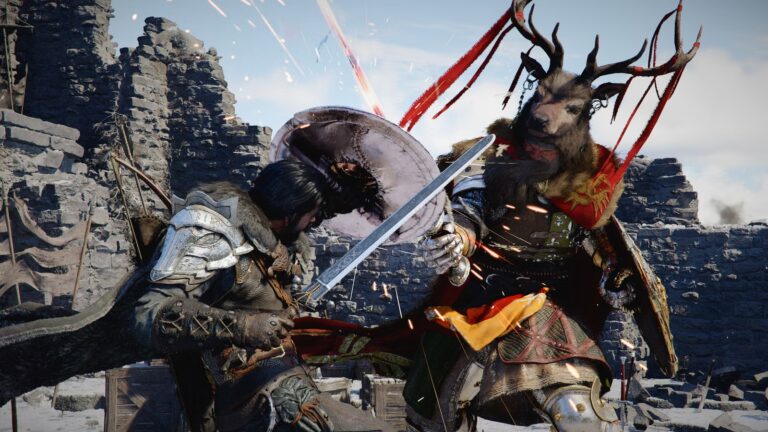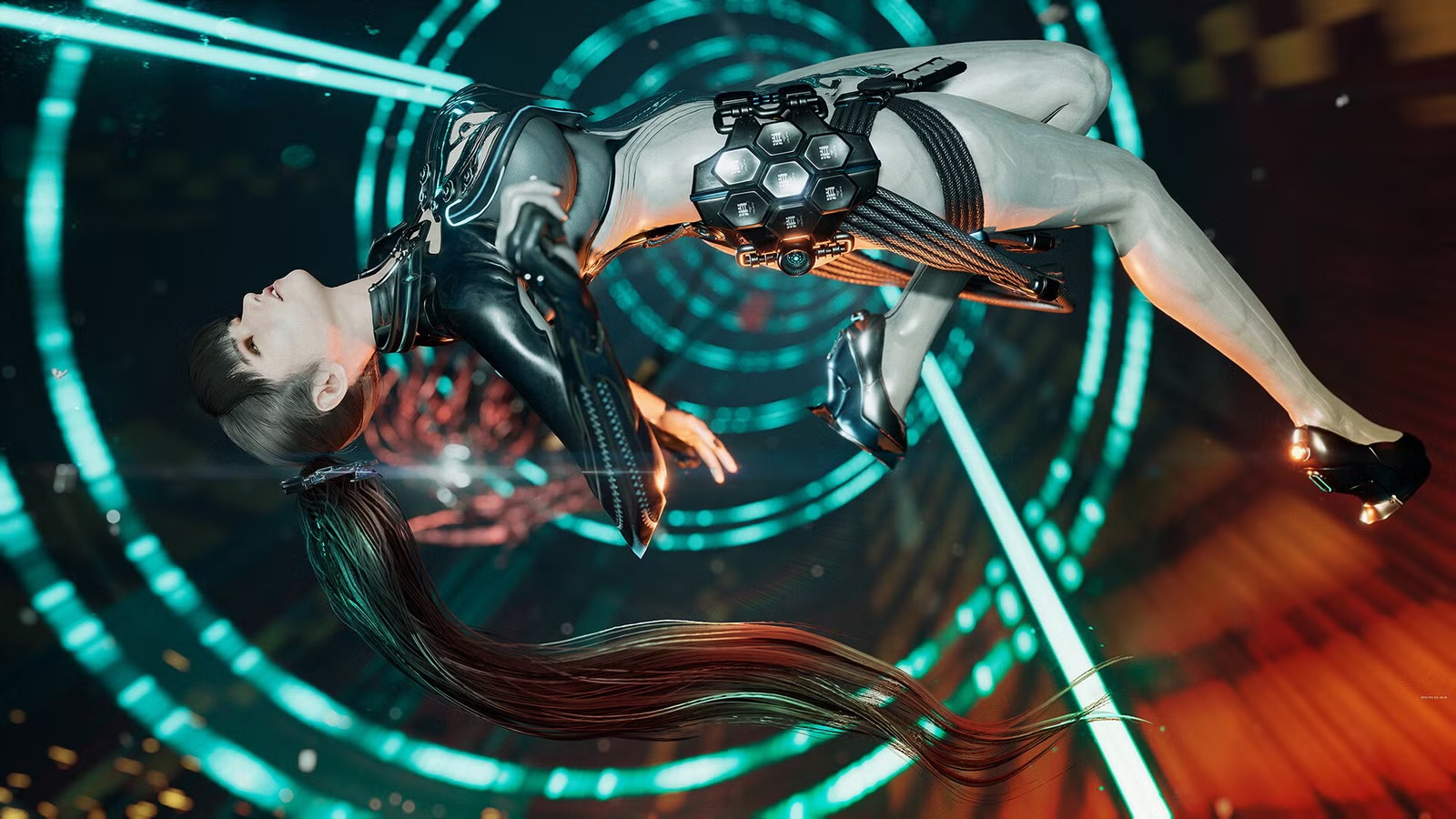
Stellar Blade developer Shift Up released its latest earning report on Monday, which included updates on the various projects it has in the works, one being a sequel to its 2024 action RPG. Shift Up noted that development on the next Stellar Blade “is progressing smoothly” and that it’s “formulating an optimal go-to-market strategy designed to maximize sales and reach a broad global audience from day one.”
That “optimal go-to-market strategy” involves the studio transitioning “to a first-party service model” for the next Stellar Blade and its other future titles. What this means is that Shift Up will self-publish the Stellar Blade sequel after the first game was published by Sony Interactive Entertainment on PlayStation 5 at launch in 2024 and on Windows PC a little over a year later.
While the company didn’t confirm a simultaneous multiplatform launch on PS5 and PC (and maybe even Xbox Series X), reading between the lines of the corporate-speak certainly seems like that’s the way the Stellar Blade sequel will be going. And it’s a smart move from Shift Up.
Stellar Blade had a strong launch on PS5 in April 2024, selling 1 million copies by the end of June. It had an even stronger launch on PC, hitting a million copies sold in three days. All told, recent estimates peg Stellar Blade at 6.1 million lifetime sales, with about a 60/40 split between PS5 and PC sales.
The delayed strategy worked out here for Sony and Shift Up as Stellar Blade found renewed interest on PC. The same can’t be said for other PS5-console exclusives. In fact, Sony is seemingly shifting away from PC releases entirely as they just haven’t been selling well enough. Despite their predecessors eventually landing on PC after their PlayStation launches, recent PS5 exclusives Ghost of Yōtei and Saros might skip PC launches altogether.

Xbox has also seen some of its first-party games fail to make much of a splash with their late multiplatform releases elsewhere. While Forza Horizon 5 sold 5.8 million in its first year on PS5, other ports haven’t fared as well, according to Alinea Analytics’ estimates. Starfield only sold about 200,000 copies on PS5 in its first couple of weeks on sale, despite receiving a huge overhaul meant to rope in players, old and new.
Alinea Analytics notes Indiana Jones and the Great Circle sold 537,000 copies on PS5, which is more than it sold on Steam despite the Steam version having a four-month head start. Perhaps that short gap between Indiana Jones’ initial launch and its arrival on PS5 helped keep its sales high. (It’s also just a damn good game.)
Amid the many changes going on at Xbox include a potential change in how the company handles exclusives. Xbox chief content officer Matt Booty and CEO Asha Sharma recently said the company will “reevaluate our approach to exclusivity.” While that might mean a retraction from Xbox’s recent strategy of putting its flagship games on PlayStation (where longtime mascot Master Chief is heading soon), maybe Xbox would be best served by leaning into the multiplatform approach.

That’s what Shift Up will likely be doing with its next Stellar Blade game as it shifts (heh) toward being a self-publisher. Stellar Blade 2 might be out by 2027 (on PS5, Xbox, or anywhere), though the company hasn’t formally announced a release window yet. It’s also working on another “flagship title,” Project Spirits. Shift Up will “share more details on the new title with players within 2026.”
In addition to those games, Shift Up will also publish Unbound Inc.’s next game. Unbound is a new-ish studio from Resident Evil and The Evil Within creator Shinji Mikami, and Shift Up recently acquired it, showing the company has ambitions beyond being just the makers of a horny action game (that’s home to a good parry).
Shift Up notes that Unbound has “multiple projects currently in development,” though neither company has shared details of what those projects are exactly. Ideally, those projects, and Stellar Blade 2, will be multiplatform launches day one — there are just too many players on too many platforms for a wide launch not to make sense for a growing gaming company like Shift Up.

About the Author