It’s a crucial month for Xbox Game Pass. Following a recent price cut, Xbox is pumping up its subscription service’s library this May with the kind of heavy hitters it needs if it’s actually going to revitalize Game Pass. Forza Horizon 6 is the main event, but Subnautica 2 could be an even bigger deal. Those, plus the critically acclaimed Mixtape and the anticipated co-op cozy game Outbound, are all giving Game Pass its strongest month of 2026. If you still want another game to help you squeeze as much out of your subscription as you can this May, don’t miss out on Call of the Elder Gods.
Developed by Out of the Blue Games, Call of the Elder Gods is a narrative puzzle game launching on Nintendo Switch 2, PlayStation 5, Windows PC, and Xbox Series X today. It’s a sequel to Call of the Sea, a cult hit that got a spotlight when it launched in December 2020 because it was one of the first day one Game Pass indies of the Xbox Series X era. The sequel has once again launched on Game Pass, and it delivers some similarly brainy puzzling through a pulpy adventure. It’s worth checking out if you loved the first game, but come prepared for some much trickier challenges that don’t always fit together.
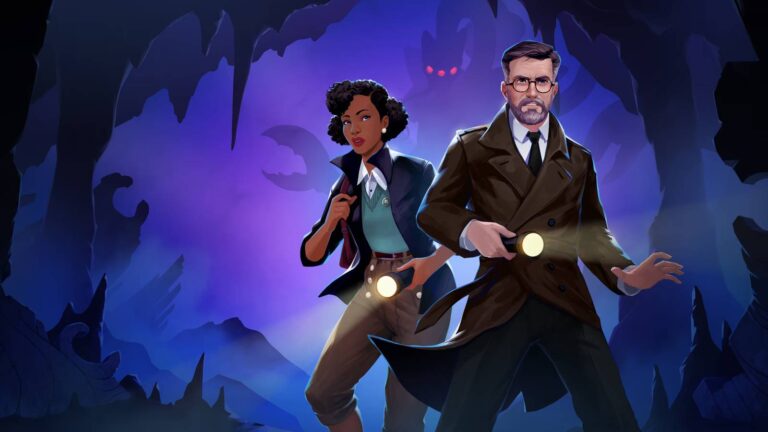
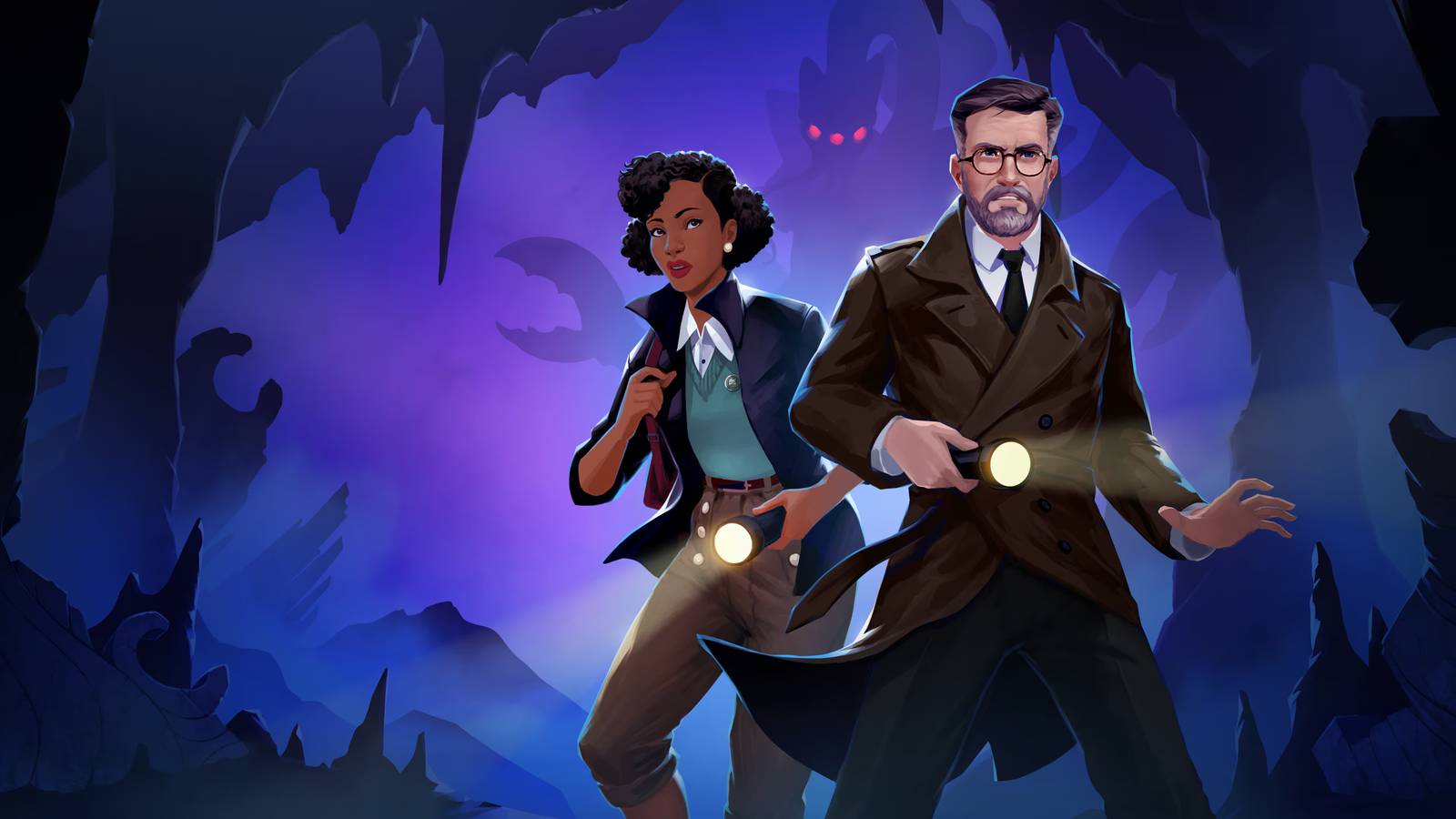
This time, the story lands somewhere between Indiana Jones and H.P. Lovecraft. A professor, Harry Everheart, and a student, Evangeline Drayton, at Miskatonic University find themselves sucked into a globe-trotting mystery that delves into light cosmic horror territory. There are ancient artifacts, strange black shadows, and traces of ancient aliens. It’s pure pulp, gleefully embracing World War II-era corniness in the same way Call of the Sea did. Your enjoyment will depend on your tolerance for hammy voice acting, but it’s nice to see a series like this lean into being a cheesy mystery novel rather than a blockbuster movie.
Strong puzzles are key to making that tone work. Harry and Evangeline are academics, so it’s only right that they’re solving intricate puzzles that require them to hunt around for clues and jot them down in their notebook. Call of the Elder Gods’ best puzzles happen in its early chapters — or at least its most elegantly implemented ones. One of my first challenges was solving my way through a small house, finding a way to open a gate in the backyard by rotating statues in the right direction. Solving that requires me to both pay attention to the clues I’ve found and the environment itself. It’s where the sequel feels most at home, with the studio building contained escape rooms where it’s always clear where each moving part is.

Out of the Blue Games tries to widen its puzzle-making toolkit throughout the adventure. Each chapter adds some new complexity that often requires different logic than the puzzle that came before. Sometimes it feels natural. Another strong chapter has me uncovering ancient wall carvings and trying to figure out how they relate to a strange, music-making mechanism. Those moments get across the Indiana Jones-like thrill of archaeological discovery quite well.
The puzzles in the back half, though, can sometimes feel too ambitious for their own good. The centerpiece of the game is a long deduction puzzle that requires you to suss out the identity of a handful of people from scattered notes, photos, and hieroglyphic patterns. It’s a great puzzle in a vacuum; it scratches the same itch as Return of the Obra Dinn by making you want to pull out a real notebook and start jotting down information. But it’s a fairly big jump in complexity from everything that precedes it. The quick and satisfying pace of escape room puzzling slows to a crawl as some obtuse clues require you to suddenly switch your brain into a different gear entirely. That carries into the later chapters, which put an emphasis on some head-scratching language puzzles that had me looking for help. (Thankfully, there’s a handy hint system that basically acts as a full in-game walkthrough.)
All the pieces are right in Call of the Elder Gods; they just don’t always fit together in one continuous run of puzzles. The pacing and logic leaps can make for a disjointed adventure compared to its predecessor, but Out of the Blue Games is on to something. The team is learning how to create brainier puzzles that test your ability to observe your surroundings closely. With a little more polish to its bigger swings, I can see the studio’s next project reaching the same deduction brilliance as The Séance of Blake Manor. Call of the Elder Gods doesn’t fully crack the code, but it’s a game on the verge of a eureka moment.

About the Author