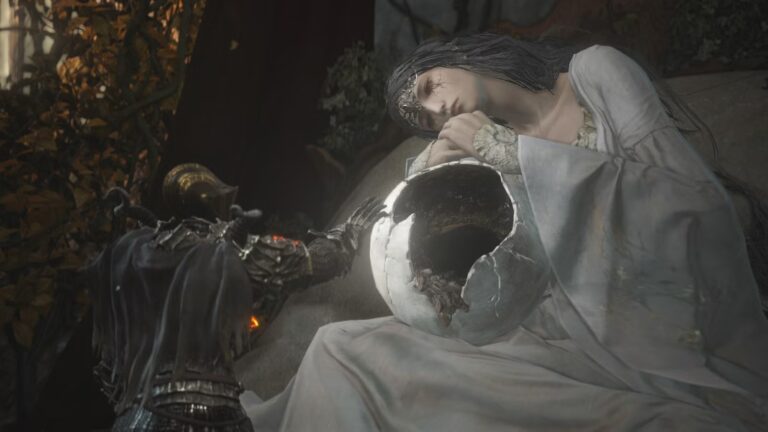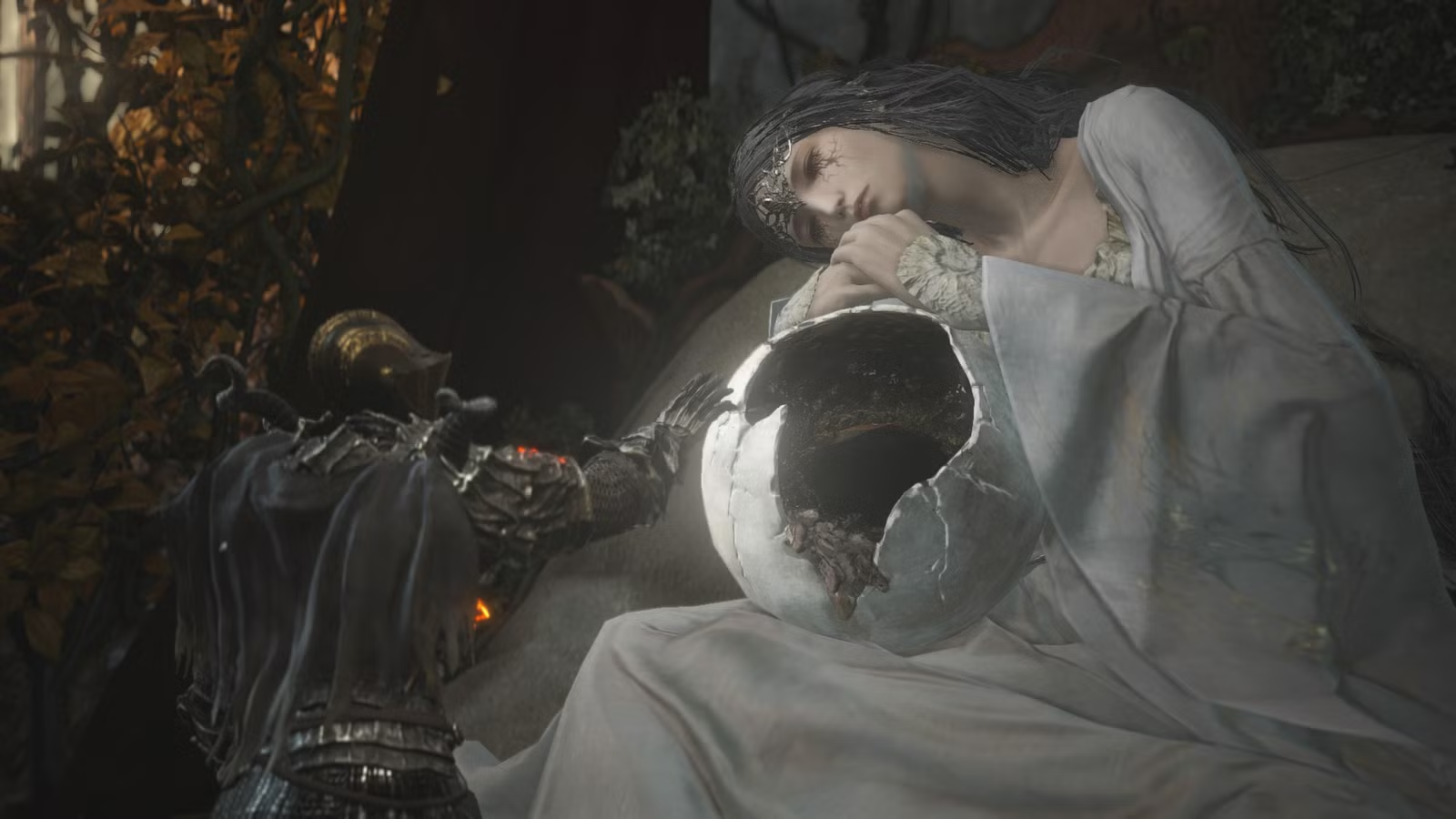
Even after ten years, the fire of Dark Souls 3 has yet to fade. It’s no secret that Elden Ring, FromSoftware’s latest hit, has quickly eclipsed the third and final entry in its beloved Souls series, and some argue Sekiro: Shadows Die Twice already made a significant mark well before it. Yet Dark Souls 3’s legacy quietly persists in the background, its crumbling canvas of a world still standing unchallenged to this day.
There’s something about its apocalyptic tone that makes this game hit so much harder than Elden Ring. From the dragon-infested spires of Lothric to the bubbling muck of Farron Keep, Dark Souls 3 presents one of FromSoftware’s bleakest settings: a primordial soup of kingdoms caving in on themselves over countless eons. And yet, it feels as alive as it does ravaged, offering a raw, intimate look at some of the franchise’s most storied ideas, distilled to their final form.

That atmosphere is only heightened by the way Dark Souls 3 plays and sounds. Combat is far sharper and more urgent than its predecessors, blending the deliberate weight of Dark Souls with a newfound speed that makes every encounter tense. The attack patterns of certain bosses often match their haunting musical scores, as with the mournful swells of the Abyss Watchers and the apocalyptic crescendo of the Soul of Cinder. The soundtrack elevates the action, twisting every battle into a tragic performance rather than a simple test of skill.
I’ve spent over 500 hours in Dark Souls 3, and it still manages to surprise me every time I return. It’s the ultimate love letter to longtime Dark Souls fans, wrapping up a five-year arc with some of the most poetic moments in gaming — many of which are still being dissected today. That’s an enduring legacy you can’t easily replicate, and one that even Elden Ring, for all its scale, doesn’t quite match.
Beyond its richly decaying setting, Dark Souls 3 is home to the best multiplayer PvP experience FromSoftware has to offer. Bouts hosted at the Pontiff Sulyvahn bonfire remain treasured moments, where six players would gather to spectate as 1v1 duels unfolded in the center of the plaza. Gone are the days when you’d see that floor light up like Christmas, dozens of summon signs representing players awaiting their chance in the ring.

It’s easy to look back and call Dark Souls 3 a slam dunk, but it was forged in a pressure cooker, making it all the more memorable in retrospect. You have to remember it arrived in the shadow of Dark Souls 2, which many criticized for feeling more like a sidestep than a true sequel, and Bloodborne, a game still regarded as one of FromSoft’s finest.
Dark Souls 3 had to win back players who felt the second game missed the mark, while matching the speed and modern feel of Bloodborne’s combat. It was also positioned as a final sendoff, building toward a crescendo where, despite their unending reign, the cycles of fire and decay might finally come to an end. Dark Souls 3 had to be a correction, an evolution, and a conclusion all at once.
That pressure is likely why the game features some of the most cinematic boss fights in the series, and arguably across FromSoft’s entire catalog. Squaring up against the likes of Darkeater Midir, Nameless King, Abyss Watchers, Aldrich, Iudex Gundyr, and the Soul of Cinder will remain unforgettable. But nothing will ever top that first clash with Slave Knight Gael. It’s Dark Souls at its most poetic: two hallowed undead souls locked in the throes of their own convictions at the ash-choked end of time and space itself.
Dark Souls 3 is a rare look at the macabre in its most elegant form, showcasing a world fraught with a cycle that refuses to end, even as it collapses in on itself. The Age of Fire may flicker and fade, kingdoms may turn to ash, but something always remains to carry the fire forward.
In that way, Dark Souls 3 mirrors its own legacy. It was meant to be an ending, a final flicker of the flame. Yet ten years later, its influence still burns softly in the background, relit in every game it continues to inspire, in every player who returns to Lothric, and in every duel still fought in its dying world. Although the fire was never meant to last, the flame will never truly fade.
About the Author